
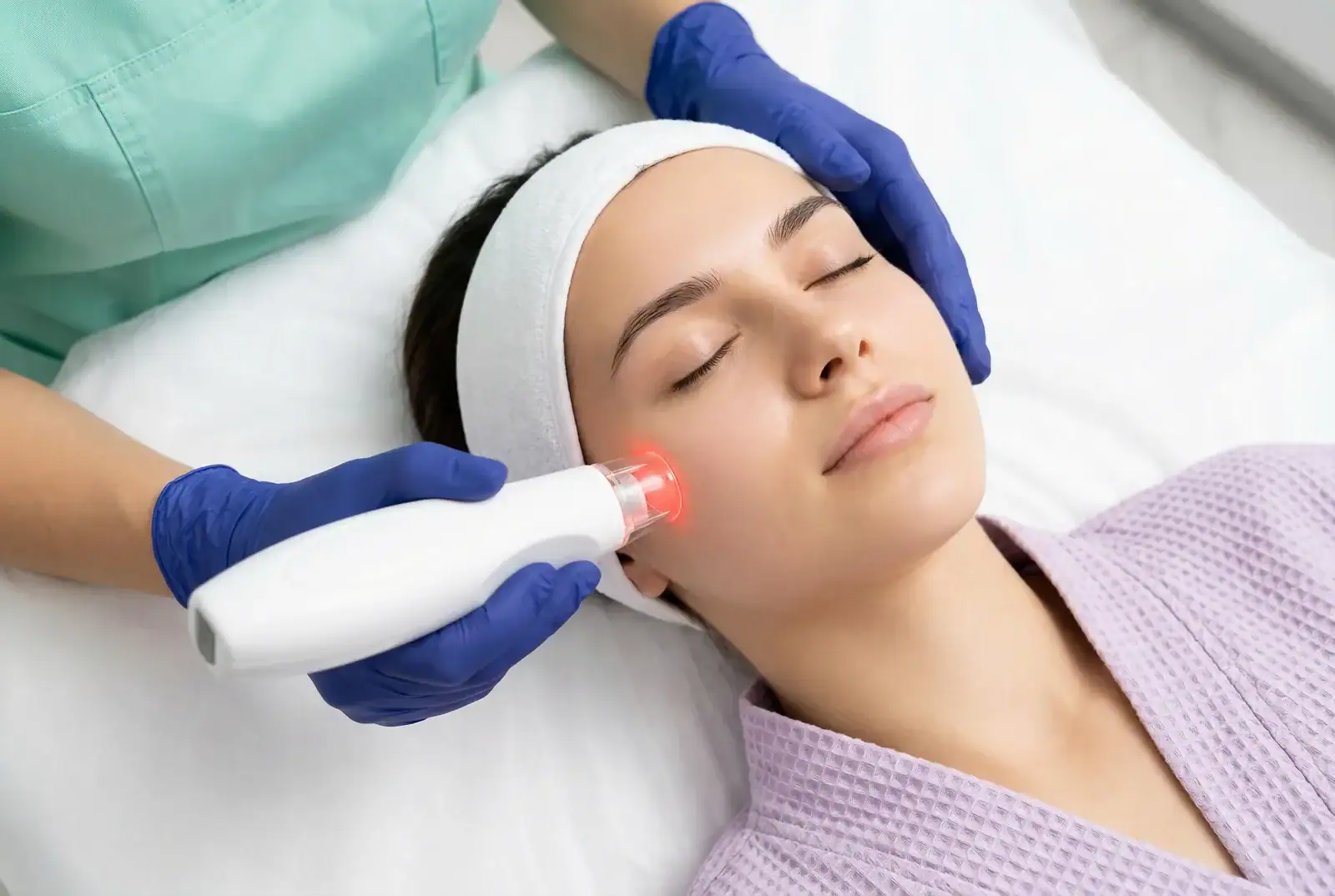
Laser skin resurfacing aftercare is the single most important factor in how beautifully your results unfold. You have invested in a transformative treatment, and your skin now needs the right environment to heal, rebuild, and reveal its full potential. At Youth Lab in Summerville, SC, recovery is not a passive waiting period. It is an active, personalized phase of your wellness journey, and we are here to guide you through every step.
Key Takeaways
Redness, warmth, and mild swelling are normal in the first few days after treatment. This is your skin’s healing cascade at work, producing new collagen and preparing to reveal a fresher complexion.
Gentle cleansing and consistent moisturizing support faster, more comfortable healing. Barrier-supportive ingredients like ceramides and hyaluronic acid are especially helpful in the earliest days of recovery.
Daily broad-spectrum SPF 30 or higher is non-negotiable during recovery. Freshly treated skin is far more vulnerable to UV-induced pigmentation changes.
Retinoids, AHAs/BHAs, vitamin C serums, and physical exfoliants should be avoided until your provider clears you. These active ingredients can irritate healing skin and delay recovery.
Most visible peeling resolves within 5-10 days, with full collagen remodeling continuing for up to 6 months. A supportive long-term skincare routine helps preserve your results well beyond the initial healing phase.
What To Expect Immediately After Laser Resurfacing
In the hours following your laser resurfacing treatment, your skin will feel warm, tight, and tender, much like a moderate sunburn. This is completely normal. Your skin’s deeper layers are actively triggering a healing cascade, producing new collagen and shedding damaged surface cells in preparation for a fresher, more refined complexion.
You may notice redness, mild swelling, and a sensation of heat, along with some pinkness and sensitivity in the treated area over the following days.
Keep your skin clean, cool, and protected. Avoid touching your face unnecessarily, sleep with your head slightly elevated to minimize swelling, and resist the urge to pick or peel any flaking skin. Your provider at Youth Lab will send you home with a bespoke aftercare kit tailored to your specific treatment and skin type.
How To Cleanse and Moisturize During Recovery
Gentle, consistent cleansing is essential during recovery. Use a mild, fragrance-free cleanser applied with clean fingertips and lukewarm water. Avoid washcloths, sponges, or any friction-based tools that could disrupt the delicate new skin forming at the surface. Pat dry with a soft towel rather than rubbing.
Moisturizing is equally critical. As your skin heals, it loses moisture faster than usual, and keeping it well-hydrated directly supports the repair process. Look for barrier-supportive ingredients like ceramides, hyaluronic acid, and petrolatum-based ointments in the earliest days of recovery. Apply liberally and frequently, especially if your skin feels tight or begins to flake.
If you are unsure which products are appropriate for your recovery stage, our team at Youth Lab is always available for a personalized consultation. You may also find that pairing your recovery with supportive wellness treatments accelerates healing from the inside out.
Sun Protection Rules You Cannot Skip
Sun protection after laser skin resurfacing is non-negotiable. Your skin is significantly more vulnerable to UV damage during healing, and unprotected sun exposure is the fastest way to compromise your results, trigger hyperpigmentation, and prolong recovery.
Apply a broad-spectrum SPF 30 or higher every morning, regardless of the weather. UV rays penetrate clouds and windows, meaning even indoor exposure carries risk. Reapply every 2 hours if you are outdoors. Choose a mineral-based sunscreen containing zinc oxide or titanium dioxide during the first few weeks, as physical blockers are far less likely to irritate post-treatment skin than chemical filter formulas.
Beyond sunscreen, wear wide-brimmed hats outdoors, seek shade between 10 a.m. and 4 p.m., and consider UV-protective clothing for extended sun exposure. These habits become the foundation of a long-term skin health strategy that preserves your results and supports your broader wellness goals.
Skincare Ingredients To Avoid After Treatment
Knowing what to leave off your skin is just as important as knowing what to apply. In the days and weeks following laser resurfacing, your skin barrier is compromised and highly reactive. Introducing the wrong ingredients can cause irritation, delay healing, and in some cases trigger lasting pigment changes.
Avoid the following until your provider gives you clearance:
Retinoids and retinol: Too aggressive on healing skin.
AHAs and BHAs: Glycolic, lactic, and salicylic acids can disrupt the fragile new skin layer.
Vitamin C serums: Ascorbic acid formulas can sting and irritate during early recovery.
Benzoyl peroxide: Too harsh and can interfere with healing.
Fragrance and essential oils: Common sensitizers that can trigger unexpected reactions.
Physical exfoliants: Scrubs, brushes, and textured cloths have no place in your routine until your skin has fully healed.
If you are considering complementary treatments like chemical peels or microneedling as part of your longer-term plan, discuss timing with your Youth Lab provider before proceeding.
How To Know Your Skin Is Healing Properly
Understanding the difference between a normal healing response and a sign that something needs attention gives you confidence throughout recovery. Here is what a healthy healing timeline typically looks like.
In the first 2-5 days, redness, swelling, warmth, and peeling are all expected and indicate your skin is actively repairing itself. Around days 5-10, significant flaking or peeling occurs as the outermost treated layer sheds. This is a positive sign. Resist picking at loose skin, as doing so risks scarring and uneven texture.
By weeks 2-3, most visible peeling should be complete and your skin will begin to look pinker and fresher. Some residual redness can persist for a bit longer in certain cases, but it should be gradually diminishing.
If you experience increasing pain, swelling that worsens after day 3, signs of infection such as unusual discharge or fever, or sudden spreading redness, contact your provider promptly. The Youth Lab team is always available to assess your progress and adjust your aftercare protocol as needed.
Long-Term Maintenance for Lasting Results
Laser skin resurfacing initiates a powerful transformation, but the longevity of your results depends on what you do in the months that follow. Collagen remodeling continues beneath the surface for up to 6 months after treatment, meaning your skin is still improving long after the visible recovery phase has ended.
Once your provider has cleared you to reintroduce active ingredients, a consistent regimen including a medical-grade retinoid, antioxidant serum, and daily SPF becomes your most powerful long-term investment. These three pillars protect your skin from environmental damage, continue stimulating collagen production, and preserve the clarity you worked hard to achieve.
Many of our clients at Youth Lab also complement their results with periodic facials and cutting-edge biohacking therapies that support cellular health from within. A bespoke maintenance plan, designed around your skin’s unique biology and your broader longevity goals, is the most effective way to make your results last. Speak with our team about building a personalized protocol that keeps your skin performing at its best year-round.
Experience Personalized Laser Skin Resurfacing Aftercare at Youth Lab
At Youth Lab, located at 424 Brighton Park Blvd in Summerville, SC, every client receives a bespoke aftercare protocol designed around their unique skin, their specific treatment, and their personal wellness goals. You are never navigating recovery alone.
If you have questions about your healing progress, want to build a long-term skin maintenance plan, or are ready to explore how laser resurfacing fits within a broader longevity and biohacking lifestyle, we invite you to connect with our team. Call us at (843) 376-6151 or book a personalized consultation online. Your most luminous skin is not just possible… it is within reach.
Frequently Asked Questions About Laser Skin Resurfacing Aftercare
What should I do immediately after laser skin resurfacing treatment?
Keep your skin clean, cool, and well-moisturized. Avoid touching your face unnecessarily, sleep with your head elevated to reduce swelling, and apply only the products provided by your practitioner. Do not apply makeup or active skincare ingredients until your provider gives you clearance.
How long does redness and peeling last after laser skin resurfacing?
Redness and peeling typically last between 5-10 days for most patients, though this varies depending on your skin and the specific treatment settings used. Most patients see this settle into mild pinkness within the first few days as the skin renews itself.
What skincare products should I avoid after laser skin resurfacing?
Avoid retinoids, AHAs, BHAs, vitamin C serums, benzoyl peroxide, fragranced products, and all physical exfoliants until your provider confirms your skin has healed sufficiently. When in doubt, ask your Youth Lab provider before reintroducing any active product.
How soon can I wear makeup after laser skin resurfacing?
Most patients can return to mineral-based makeup after approximately 5-7 days, once initial peeling and crusting have resolved. Your provider at Youth Lab will advise you on exactly when it is safe based on how your skin is healing.
How important is sun protection after laser skin resurfacing?
Sun protection is absolutely critical. Freshly treated skin is highly susceptible to UV-induced pigmentation changes that can undermine your results. Apply a broad-spectrum mineral SPF 30 or higher every day and reapply every 2 hours if outdoors. This habit should become a permanent part of your skincare routine.
Can I combine laser skin resurfacing aftercare with other treatments?
Yes, but timing matters. Once your skin has fully healed, complementary treatments like Morpheus8 RF microneedling or targeted facials can further enhance your results. Always consult your provider before layering treatments.
How long does it take to fully recover from laser skin resurfacing?
Surface recovery typically takes 1-3 weeks depending on treatment intensity. Full skin recovery, including complete collagen remodeling, can take up to 6 months. Sun protection and a supportive skincare routine are essential throughout this period for the best possible long-term outcome.
