
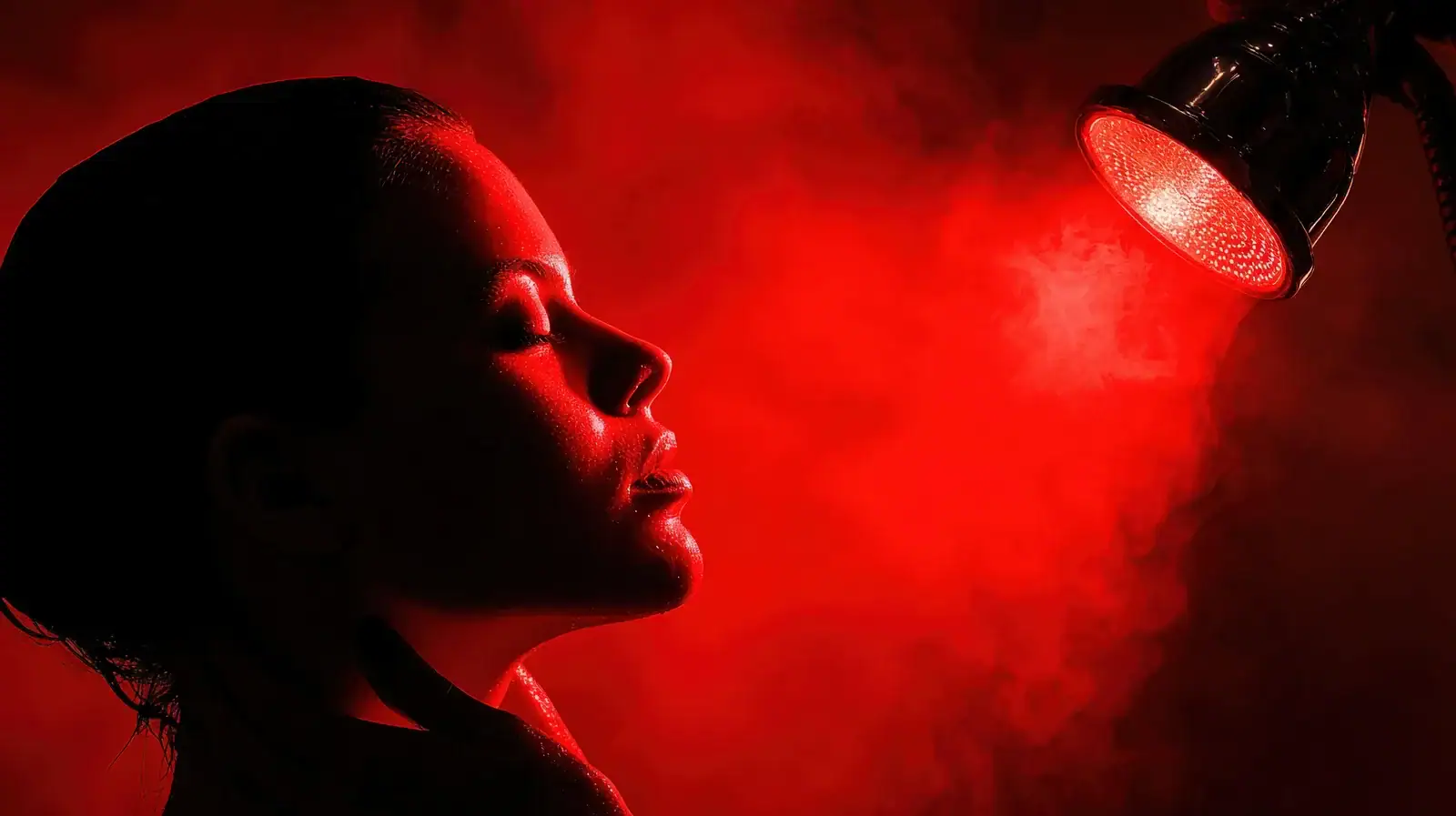
Does red light therapy work? Research on photobiomodulation, the clinical term for red and near-infrared light treatment, suggests it can support collagen production, ease inflammation, and improve skin tone with consistent use. At Youth Lab, we treat it as one piece of a broader longevity and biohacking approach rather than a standalone miracle fix, and that distinction matters when you are evaluating whether it belongs in your routine.
Key Takeaways
Red light therapy can produce measurable improvements in skin tone and texture. Most clients notice gradual changes over 4-8 weeks of consistent sessions rather than immediate transformation.
Red light therapy is not a treatment for deep wrinkles, active infections, or significant skin laxity. Those concerns typically respond better to modalities like Morpheus8 RF microneedling.
Sessions are typically recommended 2-3 times per week for the first month. Many clients then shift to a maintenance schedule of once or twice weekly.
Red light therapy is considered safe for nearly all skin types and tones. It uses non-ionizing wavelengths, which means it does not carry the burn risk associated with UV exposure.
Results from a consistent protocol can last several weeks to months. Ongoing maintenance sessions help sustain collagen support and skin quality over time.
If you are curious whether red light therapy fits your wellness goals, schedule a consultation with our team in Summerville. We can walk you through what a bespoke plan looks like for your skin and lifestyle.
What red light therapy is and how it works
Red light therapy uses low-level wavelengths of red and near-infrared light to penetrate the skin’s surface and reach cells beneath it. Unlike UV light, these wavelengths do not damage skin. Instead, they are absorbed by mitochondria, the energy-producing structures inside your cells.
This absorption is thought to stimulate cellular energy production, which in turn may support collagen synthesis, circulation, and tissue repair. Sessions are typically delivered through an LED bed or panel and involve no needles, heat, or downtime, making the experience closer to a wellness ritual than a clinical procedure.
The science behind red light therapy results
Photobiomodulation has been studied for decades, with early applications in wound healing and pain management before expanding into aesthetics. Research published through the National Institutes of Health has explored how specific wavelengths, typically in the 630 to 850 nanometer range, influence cellular activity and inflammation.
The evidence base is still developing, and results vary from person to person. That said, the mechanism, increased cellular energy supporting repair and collagen activity, is well documented enough that dermatologists and longevity practitioners alike consider it a legitimate complementary tool rather than a passing trend.
What red light therapy can and cannot treat
Red light therapy is best suited to concerns rooted in inflammation, mild texture irregularities, and collagen support rather than structural or volume-related issues. Clients commonly use it to help with:
Fine lines and early signs of facial aging
Uneven tone and mild hyperpigmentation
Inflammatory acne and post-breakout redness
Overall skin dullness, sluggish circulation, and slow recovery after other treatments
It is not designed to address deep wrinkles, significant skin laxity, or volume loss. Those concerns are better matched to Morpheus8 RF microneedling or dermal fillers, which work at a deeper structural level.
What real results look like and when to expect them
Realistic expectations matter here. Red light therapy is not an overnight fix, and any provider promising instant transformation is overstating what the science supports.
Most clients begin noticing subtle improvements in tone and texture after 4-8 weeks of consistent use, often with sessions scheduled two to three times weekly. Redness may calm sooner, sometimes within the first 2 weeks, while collagen-related changes take longer to become visible. Think of it as a cumulative, compounding investment in skin quality rather than a single-session transformation.
Who makes a good candidate for red light therapy
Red light therapy suits most skin types and tones because it does not rely on heat or aggressive exfoliation to work. It is a gentle option for clients who want to support their skin between more intensive treatments, or who are simply not ready for something with downtime.
It is also a strong fit for health-conscious individuals already invested in longevity-focused routines, since the treatment pairs naturally with recovery and biohacking practices. Clients managing sensitive skin, rosacea-prone complexions, or mild inflammatory concerns often tolerate it especially well. As always, a personalized consultation helps confirm it aligns with your specific goals.
Why Youth Lab offers red light therapy as part of your wellness journey
At Youth Lab in Summerville, SC, red light therapy is one signature offering within a broader ecosystem of longevity and biohacking services, alongside HaloSauna, cold plunge, cryotherapy, and our LED bed. Charleston-area competitors rarely combine aesthetics and recovery science under one roof the way we do.
Your treatment plan is built around your skin, your goals, and how red light therapy fits alongside services like broadband light therapy or Morpheus8. Explore our full red light therapy treatment details to see how it could enhance your natural beauty and recovery routine.
Frequently asked questions about red light therapy
Does red light therapy actually produce noticeable results?
Yes, when used consistently over several weeks, red light therapy can improve skin tone, texture, and inflammation. Results are gradual rather than immediate, typically appearing after 4-8 weeks of regular sessions.
What skin and wellness concerns can red light therapy treat?
It can support fine lines, mild hyperpigmentation, inflammatory acne, and overall skin dullness. It does not address deep wrinkles or significant skin laxity, which respond better to Morpheus8 or dermal fillers.
How many red light therapy sessions are needed to see results?
Most clients start with 2-3 sessions per week for the first month, then transition to a maintenance schedule of once or twice weekly. Individual timelines vary based on skin condition and goals.
Is red light therapy safe for all skin types?
Red light therapy is considered safe for nearly all skin tones and types since it uses non-ionizing wavelengths without UV exposure. A consultation can confirm suitability for any specific sensitivities.
Can red light therapy be combined with other treatments for better results?
Yes, it is often paired with treatments like Morpheus8, chemical peels, or facials to support recovery and enhance collagen response. Many clients also combine it with broader longevity services for a comprehensive wellness approach.
How long do red light therapy results last?
With a consistent protocol, results can last several weeks to a few months before fading without maintenance. Ongoing sessions help sustain collagen support and skin quality over time.
Where can I try red light therapy in Summerville, SC?
Youth Lab offers red light therapy at our Summerville, SC location as part of a bespoke wellness and aesthetics plan. Contact our team at (843) 376-6151 or schedule a consultation to discuss whether it fits your goals.
